
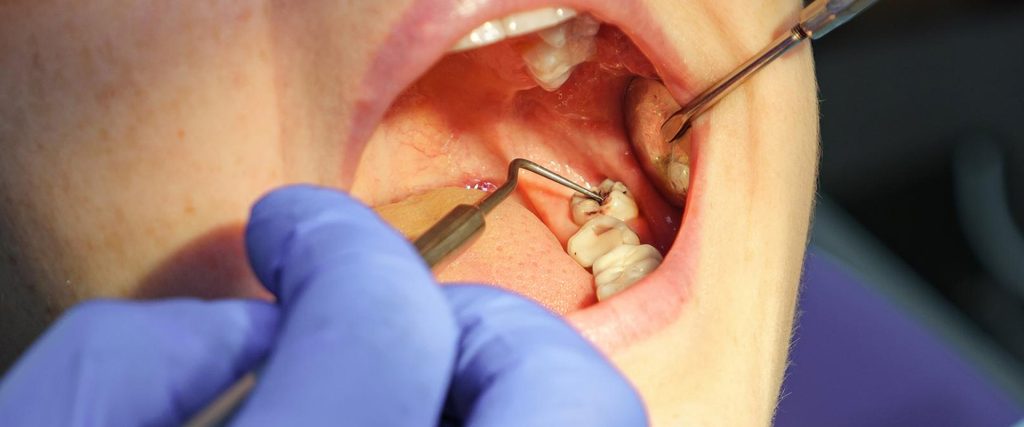
You may need your wisdom teeth removed if you have one or more impacted wisdom teeth or if you are having difficulty adequately cleaning those that have emerged. It is recommended that all young adults be evaluated. A consultation and x-ray can reveal impaction, damage to neighbouring teeth, signs of decay, gum disease, or perceived complications with future wisdom tooth eruption.
Most wisdom removals take only minutes to perform, but you'll be under anesthesia to prevent discomfort. Once the teeth are removed, the gums are sutured shut.
Yes. You'll need to keep the extraction site clean and free of debris for the first couple of weeks after the wisdom teeth removal. You'll also need to take all medications exactly as prescribed by the doctor. Avoid sucking through a straw for the first several days after surgery, and notify the dental office if you experience fever or discomfort that worsens after a few days.

iDentist is a state-of-the-art, technologically advanced dental clinic, in a warm, comfortable setting.